
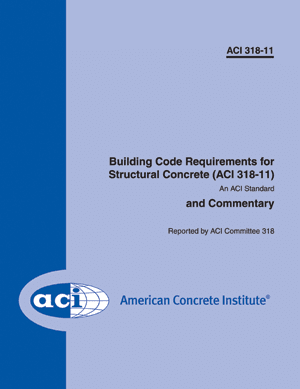
ACI 318-11 Building Code Requirements for Structural Concrete

ACI 318-11 Building Code Requirements for Structural Concrete

Book Overview
The ACI 318-11 Building Code Requirements for Structural Concrete is a pivotal standard developed by the American Concrete Institute that establishes comprehensive requirements for the design and construction of reinforced concrete structures. It addresses key aspects of structural concrete including material specifications, design principles, detailing requirements, and construction quality to ensure structural integrity, durability, and safety. The code provides detailed provisions for concrete materials, reinforcement types, and their placement, emphasizing proper anchorage and development lengths. It covers structural analysis and design methods for elements subjected to flexure, shear, torsion, and axial loads, incorporating limit states design to ensure safety margins. The document also includes guidelines for durability, serviceability, and fire resistance, alongside criteria for quality assurance through inspection and testing. ACI 318-11 integrates updated research findings and industry practices, making it essential for engineers, architects, and construction professionals involved in structural concrete design in buildings, bridges, and other infrastructure projects. It serves as a reference standard for U.S. building codes and significantly influences international concrete design practices.
Key aspects:
- Comprehensive Design Provisions
Covers design for flexure, shear, axial loads, torsion, and combined forces in structural elements. - Material Specifications
Establishes requirements for concrete strength, mix design, and reinforcement types (steel bars, welded wire, etc.).
Limit States Design Philosophy
Applies strength and serviceability limit states to ensure safety and performance under different loading conditions. - Structural Member Requirements
Includes detailed rules for beams, slabs, columns, walls, footings, and connections. - Anchorage and Development
Specifies development lengths, lap splices, and anchorage requirements for reinforcement. - Durability and Exposure Classes
Introduces durability criteria based on environmental exposure (e.g., freeze-thaw, sulfate attack, corrosion). - Construction and Inspection Guidance
Outlines requirements for formwork, placement, curing, inspection, and quality control procedures. - Fire Resistance and Detailing
Provides guidelines to ensure adequate fire rating and structural detailing for safety and resilience.
Highlights:
- Integration with Building Codes
Referenced by U.S. model building codes (like IBC), making it enforceable in jurisdictions nationwide. - Widely Adopted Globally
Serves as a foundational standard not only in the U.S. but also influences international codes and practices.
Key Features & Benefits
The ACI 318-11 Building Code Requirements for Structural Concrete provides comprehensive coverage of structural concrete design and construction by detailing all essential aspects necessary for creating safe, durable, and code-compliant concrete structures. It encompasses the specification of materials, structural design requirements for various elements, load and strength considerations, construction practices, and inspection protocols. The code addresses structural components such as beams, columns, slabs, walls, and foundations, while integrating provisions for seismic design, fire resistance, and durability based on exposure conditions. In addition to structural performance, the document ensures quality assurance through detailed guidance on reinforcement, formwork, concrete placement, and curing. Its broad scope makes it a foundational standard for engineers, architects, and contractors involved in the design and construction of concrete buildings and infrastructure.
- Concrete Material Specifications
Requirements for strength, mix proportions, durability, and quality control. - Structural Member Design
Design criteria for beams, slabs, columns, walls, footings, and foundations. - Reinforcement Requirements
Includes development length, splicing, anchorage, and placement rules. - Load and Strength Design
Provisions for factored loads, load combinations, and resistance factors. - Limit States Design Methodology
Incorporates both strength and serviceability limits. - Durability and Environmental Exposure Classes
Guidelines for selecting materials and cover based on exposure to weather, chemicals, and moisture. - Seismic Design Provisions
Earthquake-resistant detailing and load considerations (referenced from ASCE 7). - Fire Resistance Design
Detailing and material requirements to meet fire safety standards. - Construction and Inspection Standards
Rules for formwork, placement, curing, and field inspection to ensure compliance. - Appendices and Commentary
Includes supplementary material and explanations for interpretation and application.
The ACI 318-11 Building Code Requirements for Structural Concrete is applied directly in the design, analysis, and construction of reinforced concrete structures, making it an essential tool for structural engineers, architects, contractors, and inspectors. It provides the technical framework for determining element sizes, reinforcement layouts, and material specifications in buildings, parking structures, bridges, and more. In real-world practice, engineers use ACI 318-11 to calculate load-bearing capacities, ensure compliance with safety and serviceability standards, and detail structural components in construction documents. Contractors and inspectors rely on its provisions for correct concrete placement, curing, and reinforcement installation, while building officials use it to verify code compliance during plan review and field inspection. As it is referenced by the International Building Code (IBC), ACI 318-11 also serves as the legal standard for concrete design in most U.S. jurisdictions.
- Used by engineers to design beams, slabs, columns, and other concrete members.
- Serves as the code basis for structural concrete design in the U.S. (via IBC).
- Applied during construction to guide formwork, placement, curing, and reinforcement practices.
- Referenced by building officials for plan review and compliance checks.
- Helps ensure life safety, structural performance, and durability of buildings.
- Used in quality control and inspection for field verification of reinforcement and concrete work.
- Supports seismic and fire-resistant design in areas with specific performance demands.
- Required knowledge for PE Structural and other engineering licensing exams.
- Forms the basis for academic instruction in structural engineering and construction courses.
The ACI 318-11 Building Code Requirements for Structural Concrete is a core reference for civil and structural engineers preparing for professional licensing exams such as the PE Structural, SE (Structural Engineering), and FE (Fundamentals of Engineering) exams. Many questions on these exams are directly based on the design principles, equations, and detailing requirements found in the code. Candidates are expected to understand topics such as flexural and shear design, column capacity, reinforcement detailing, and structural behavior under load—all of which are covered in ACI 318-11. Since this edition is often specified as a reference in exam specifications, familiarity with its layout, terminology, and application methods is essential. Mastery of ACI 318-11 improves a candidate’s ability to efficiently solve code-based problems and demonstrate sound engineering judgment under exam conditions.
The ACI 318-11 Building Code Requirements for Structural Concrete is designed with clear visual and organizational features to support quick reference, code navigation, and practical application. The document is structured into logically numbered chapters and sections, making it easy for users to find relevant provisions during design or on exams. Key equations, tables, and figures are presented with consistent formatting and are referenced throughout the text for clarity. The code also includes a comprehensive index, table of contents, and commentary section, which provides in-depth explanations and rationale behind the code provisions. These tools enhance usability for students, professionals, and exam-takers alike, helping them apply the code accurately and efficiently.
- Numbered Chapters and Sections – Organized by topic (e.g., beams, columns, materials) for easy reference.
- Code + Commentary Format – Main code text is paired with a side-by-side commentary explaining intent and interpretation.
- Formatted Equations – Clear presentation of key design formulas with consistent symbols and units.
- Design Tables and Charts – Summarize material properties, load factors, strength reduction factors, etc.
- Comprehensive Index – Allows quick lookup of topics, terms, and provisions.
- Detailed Table of Contents – Structured to follow the design and construction process logically.
- Appendices and References – Include supplementary guidance and cross-references to related standards (e.g., ASTM, ASCE).
- Figures and Diagrams – Visual aids showing reinforcement placement, structural detailing, and design concepts.
Book Details
- Publisher: American Concrete Institute (ACI)
- Edition/Release Date: January 1, 2011
- ISBN: 9780870317446
- Pages: 503
- Dimensions: 8.5 x 11 inches
- Format: Paperback / Softbound
- Target Audience: Professionals
Pricing & Purchase Information
• Price: $264.99
• Shipping: Free shipping on orders over $250.
• Formats Available: Physical Book
Related Products