
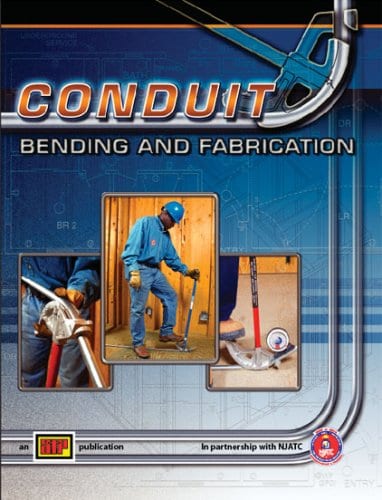
Conduit Bending and Fabrication

Conduit Bending and Fabrication

Book Overview
The Conduit Bending and Fabrication is a technical training manual developed in partnership with the Electrical Training ALLIANCE (and the NJATC) to teach electricians and maintenance technicians how to properly bend and install electrical conduit systems. The book spans 213 pages, is softcover, and contains about 210 illustrations to guide readers through visual learning. It emphasizes step‑by‑step procedures for bending conduit, particularly EMT (Electrical Metallic Tubing) and rigid conduit, and covers essential fundamentals such as measuring, layout, and angle methods. In addition to the theoretical and procedural content, the manual includes a Quick Reference Guide (32 pages, full color) intended to be used in the field for quick lookup of bending steps, tables, formulas, and diagrams. It also offers learner and instructor support materials such as quick quizzes, an illustrated glossary, a bending calculator, procedural videos, and other reference tools. Overall, the manual is designed to bridge classroom knowledge and field execution, giving professionals a reliable resource for mastering conduit bending, layout, and related fabrication tasks.
Key aspects:
- The basics of raceways and conduit systems (how they’re used, codes, layout)
- Hand bending techniques, including 90° bends, offsets, kicks, saddles, and corner offsets
- Use of mechanical, electric, and hydraulic conduit benders for more complex or heavy duty applications.
- Coverage of other conduit types, threaded conduit, and advanced bending techniques beyond basic bends
- Consideration of underground conduit installation procedures (i.e. how bends and conduit runs adapt to buried or subsurface installations)
Highlights:
Industry-Aligned Training Manual
Developed by the Electrical Training ALLIANCE (formerly NJATC), tailored for electricians and electrical apprentices.
Covers All Major Conduit Types
- EMT (Electrical Metallic Tubing)
- RMC (Rigid Metal Conduit)
- IMC (Intermediate Metal Conduit)
- PVC and flexible conduit (in overview)
Step-by-Step Bending Procedures
- 90° bends, offsets, kicks, saddles, and back-to-back bends
- Instructions for both hand and machine bending techniques
- Real-world application tips and troubleshooting
Tools and Equipment Use
- Covers hand benders, mechanical benders, electric benders, and hydraulic benders
- Tool setup, operation, safety, and maintenance
Includes Underground Conduit Installation
Special section on underground routing and bending considerations
Code Compliance and Layout
Includes NEC references, bending radius rules, spacing, and box fill limits
Quick Reference Guide Available
Compact, full-color field guide (sold separately) for use on the jobsite
Rich Visual Learning Support
- Over 210 illustrations and diagrams
- Illustrated glossary of conduit terms
- Realistic layout drawings and bend sequence diagrams
Companion Learning Resources
- Online quizzes
- Bending calculator tools
- Video tutorials (available through training partners)
Key Features & Benefits
The Conduit Bending and Fabrication offers a complete, field-focused guide to all aspects of conduit bending and installation, making it an essential resource for electricians, apprentices, and maintenance technicians. The manual begins with a solid foundation in raceway systems, covering conduit types, fittings, and code compliance. It then progresses into practical bending techniques—ranging from simple 90° bends to more complex layouts such as saddles, offsets, and back-to-back bends. The book thoroughly explains the use of hand, mechanical, electric, and hydraulic benders, offering detailed procedures and troubleshooting tips for each. Additionally, the text addresses layout planning, measurement techniques, and calculating shrink, gain, and take-up. More advanced sections cover bending for underground installations, fabrication of conduit runs, and field adjustments. The manual includes reference charts, step-by-step visuals, and safety practices aligned with industry standards, making it a comprehensive learning and reference tool.
Introduction to Raceways & Conduit Systems
- Conduit types (EMT, RMC, IMC, PVC)
- Code requirements (e.g., NEC compliance)
- Conduit fittings and connectors
Fundamentals of Bending
- Understanding shrink, gain, offset, and take-up
- Measurement techniques and layout planning
Hand Bending Techniques
- 90° bends
- Offsets
- Kicks
- Back-to-back bends
- Three- and four-bend saddles
Use of Power Bending Tools
- Mechanical, electric, and hydraulic benders
- Setup, safety, and operation guidelines
Advanced Fabrication Techniques
- Segment bending
- Multi-plane bends
- Conduit threading and coupling
Underground Conduit Bending
- Bending for trench layouts
- Ground-level adjustments and protection methods
Code & Jobsite Integration
- NEC spacing and support guidelines
- Box fill calculations
- Conduit fill and routing considerations
Visual & Reference Tools
- 210+ illustrations and diagrams
- Quick-reference charts and formulas
- Illustrated glossary of conduit terminology
The Conduit Bending and Fabrication is designed with hands-on use in mind, providing real-world procedures and problem-solving strategies for electricians working in the field. It emphasizes accuracy, safety, and efficiency in every step of the conduit bending and installation process. Whether working with EMT or rigid conduit, the book offers clear, jobsite-tested instructions for measuring, laying out, and executing bends to meet code and structural requirements. Practical applications include calculating gain and shrink, using hand and power benders effectively, and troubleshooting misalignments or field adjustments. The manual also provides detailed examples of bending sequences for walls, ceilings, underground installations, and multi-directional layouts. These applications help learners and professionals confidently perform conduit work that is functional, code-compliant, and aesthetically aligned—essential skills in residential, commercial, and industrial electrical systems.
- Real-world bending procedures
- Accurate 90°, offset, and saddle bends
- Wall and ceiling layout scenarios
- Sequential bending techniques
- Jobsite measuring and layout
- Use of tape measures, levels, and conduit markers
- Calculating take-up, gain, and shrink
- Planning conduit routes to avoid obstructions
- Use of equipment in the field
- Hand, mechanical, and electric benders
- Correct positioning, safety, and bend execution
- Equipment troubleshooting tips
- Field modifications and problem-solving
- Correcting misbends and offsets
- Adjusting conduit runs to fit unexpected obstacles
- Avoiding excessive cuts or waste
- Underground and special condition installs
- Conduit layout for trenching and backfill
- Moisture protection and bend integrity
- Anchoring and securing in variable conditions
- Code-compliant installations
- Ensuring bend radius and spacing meet NEC standards
- Using appropriate fittings and support hardware
The Conduit Bending and Fabrication serves as an excellent resource for preparing for electrician licensing exams, apprenticeship assessments, and certification tests. The manual aligns with industry-recognized training standards, including those of the Electrical Training ALLIANCE (formerly NJATC), and covers essential bending concepts that often appear on both written and hands-on examinations. It reinforces critical math skills such as calculating take-up, gain, shrink, and bend angles, while also addressing NEC code references related to conduit bending, spacing, and support. The book includes detailed diagrams, terminology, and procedural sequences that help learners visualize and retain technical content. Practice scenarios, review questions, and performance-based examples give test-takers confidence to apply their knowledge in real-world or exam environments, making it a valuable tool for both classroom study and on-the-job readiness.
Aligned with Electrical Training ALLIANCE (NJATC) standards
- Supports union and non-union apprenticeship programs
- Matches typical exam topics found in Journeyman and Master Electrician tests
Focus on essential test subjects
- Conduit types and selection
- Bending math: take-up, gain, offset formulas
- NEC code compliance for conduit installations
Includes exam-style visuals and examples
- Diagrams of bend types and sequences
- Troubleshooting illustrations to aid critical thinking
Reinforces electrical math skills
- Trigonometry and angle layout for accurate bending
- Volume and spacing calculations for code compliance
Prepares for hands-on test components
- Step-by-step instructions for common test tasks
- Material identification and correct tool use
Provides review and retention tools
- Chapter-based review questions
- Illustrated glossary of key conduit terms
- Quick-reference charts for formulas and take-ups
The Conduit Bending and Fabrication is thoughtfully organized to enhance both classroom learning and jobsite reference. The manual uses over 210 detailed illustrations and diagrams to visually demonstrate bending techniques, conduit configurations, tool usage, and layout planning. These visuals are integrated directly into step-by-step instructions, allowing learners to follow procedures intuitively. Each chapter begins with learning objectives and concludes with review questions, reinforcing key concepts. Important terms are bolded and defined in an illustrated glossary, while tables, charts, and quick-reference boxes provide at-a-glance access to bend calculations, formulas, and code requirements. Additionally, companion resources such as a full-color Quick Reference Guide, interactive learning tools, and jobsite worksheets make it easy to retain information and apply it in the field. The manual’s logical structure and visual clarity make it both an effective instructional text and a practical tool for day-to-day electrical work.
Over 210 illustrations and diagrams
- Show bending sequences, conduit shapes, and tool positioning
- Aid comprehension of complex procedures and layouts
Step-by-step visual instructions
- Paired with images to reinforce every stage of conduit bending
Chapter organization supports learning
- Begins with learning objectives
- Ends with review questions for retention
Quick-reference tables and charts
- Include take-up, shrink, and gain values
- NEC spacing and support requirements
Illustrated glossary of key terms
- Visual definitions of tools, materials, and bend types
Bolded terms and callouts
- Help emphasize critical steps and safety tips
Optional companion: Quick Reference Guide
- Pocket-sized field tool with full-color visuals and fast lookup charts
Supports digital resources
- Flashcards, videos, and interactive quizzes (via training partners)
Book Details
- Publisher: American Technical Publishers, Inc.
- Edition/Release Date: 1st Edition, January 1, 2007
- ISBN: 9780826912671
- Pages: 213
- Dimensions: 8.3 x 10.5 inches
- Format: Paperback / Softbound
- Target Audience: Professionals
Pricing & Purchase Information
• Price: $142.99
• Shipping: Free shipping on orders over $250.
• Formats Available: Physical Book
Related Products