
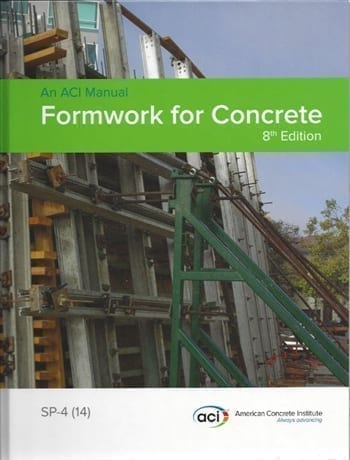
Formwork for Concrete – 8th edition

Formwork for Concrete – 8th edition

Book Overview
Formwork for Concrete Structures is a comprehensive guide on designing and constructing formwork for concrete projects. The book, authored by R. L. Peurifoy and Gary D. Oberlender, provides updated information on formwork materials, design principles, safety guidelines, and cost-saving strategies. It covers topics such as pressure of concrete on formwork, properties of form materials, scaffolding, failures of formwork, and various types of forms used in construction2.
This edition also includes sample problems, summary tables, equations, and a directory of suppliers, making it a valuable resource for engineers, architects, and construction professionals
Key Features & Benefits
Formwork for concrete is a temporary structure designed to support freshly poured concrete until it gains sufficient strength to stand on its own. Comprehensive coverage for formwork includes guidelines on design, construction, materials, safety, and removal.
Here are some key aspects:
- Design Considerations: Formwork should be rigid, watertight, and properly braced to maintain shape during construction.
- Materials Used: Common materials include timber, plywood, steel plates, and adjustable props.
- Safety Measures: Workers must use helmets, safety shoes, and harnesses, and scaffolding should be provided for safe access.
- Removal Process: Formwork should be designed for easy removal without damaging the concrete structure.
Formwork for concrete is essential in construction, as it provides a temporary mold to shape and support concrete until it hardens. Here are some practical applications:
- Building Foundations – Formwork ensures precise shaping and structural integrity for foundations.
- Bridges & Highways – Used to create durable structures with accurate dimensions.
- Architectural Features – Helps achieve complex designs in modern buildings.
- Precast Concrete Elements – Supports efficient production of beams, columns, and slabs.
- Infrastructure Projects – Essential for tunnels, dams, and retaining walls.
Preparing for the Licensing Exam for Formwork for Concrete involves studying industry standards, safety regulations, and best practices in formwork design and construction. Here are some key resources that can help:
- Formwork for Concrete, 8th Edition – This book, published by the American Concrete Institute, covers essential topics like material properties, design principles, and construction techniques. It is often referenced in contractor licensing exams.
- American Society of Concrete Contractors (ASCC) Certification – The ASCC offers a Concrete Formwork Specialist certification, which includes a 100-question multiple-choice exam based on the ACI 347.R-14 “Guide to Formwork for Concrete.” A passing score of 70% or higher is required, and recertification is needed every five years.
Formwork for concrete requires visual and organizational tools to ensure precision, efficiency, and safety. Here are some essential tools:
Visual Tools
- Laser Level – Ensures precise horizontal and vertical alignment for formwork setup.
- Chalk Line – Helps mark straight lines on large surfaces for accurate form placement.
- Marking Tools – Includes pencils, markers, and spray paint for layout adjustments.
Organizational Tools
- Form Panels – Available in wood, steel, or plastic, these panels create the structure for concrete pouring.
- Form Ties & Clamps – Secure the forms in place to withstand concrete pressure.
- Bracing & Stakes – Provide stability and prevent movement during pouring.
- Release Agents – Help remove forms easily without damaging the concrete.
Book Details
- Publisher: American Concrete Institute
- Edition/Release Date: January 1, 2014
- ISBN: 9780870319129
- Pages: 512
- Dimensions: 10.9 x 2.1 x 8.7
- Format: Paperback
- Target Audience: Professionals
Pricing & Purchase Information
• Price: $274.99
• Shipping: Free shipping on orders over $250.
• Formats Available: Physical Book
Related Products


Student Reviews
There are no contributions yet.