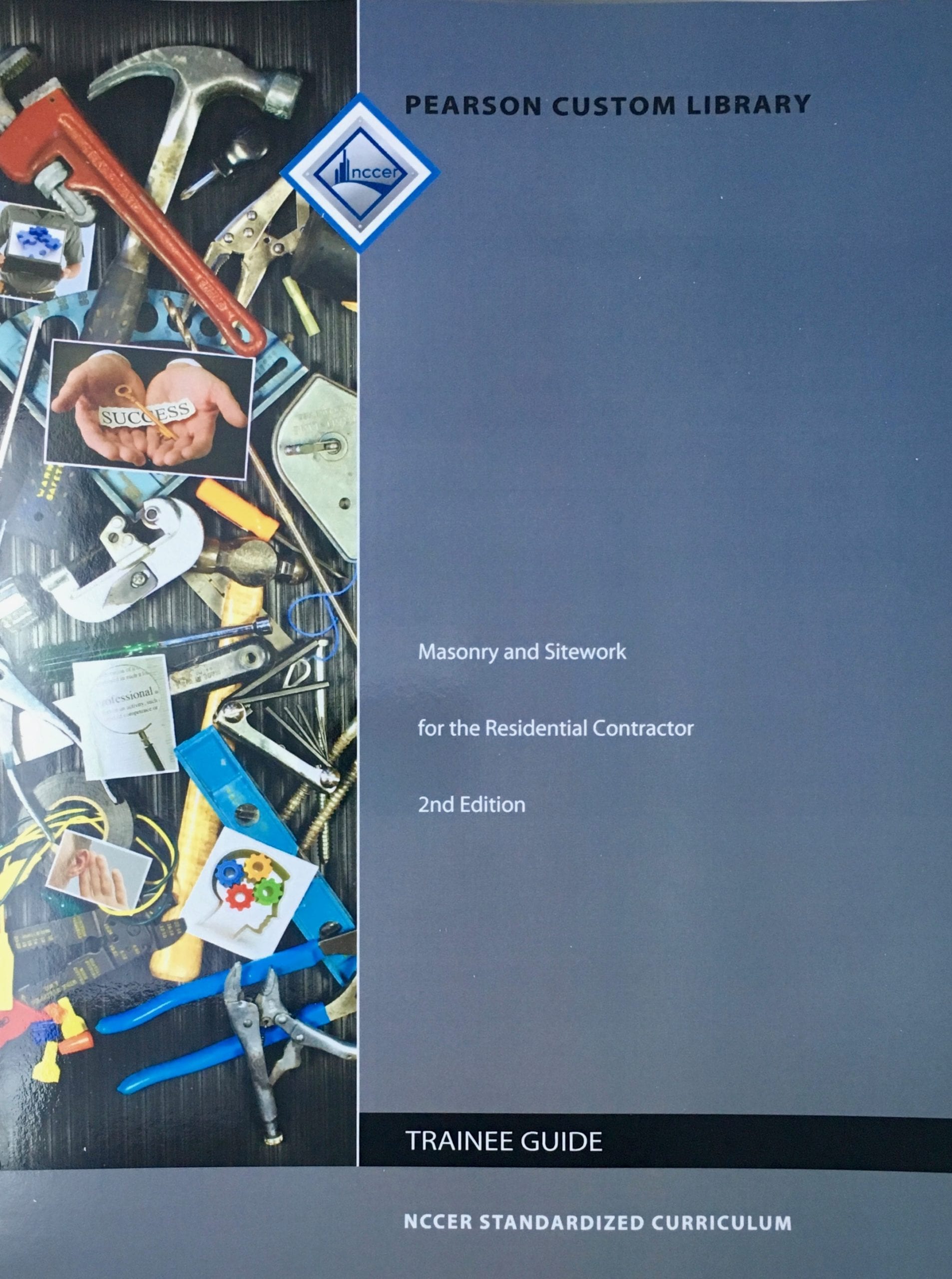
Masonry and Sitework for Residential Contractors

Masonry and Sitework for Residential Contractors

Book Overview
The Masonry and Sitework for Residential Contractors serves as a comprehensive resource tailored specifically for residential builders, contractors, and tradespeople involved in site preparation and masonry work. The book delves deeply into the critical early stages of residential construction, starting with site evaluation, soil testing, and proper excavation techniques to ensure a stable foundation. It provides thorough coverage of masonry materials, including concrete, bricks, blocks, and stone, and outlines best practices for mixing, laying, and finishing these materials. The manual also explains foundation systems, retaining walls, drainage solutions, and other sitework elements essential to structural integrity and long-term performance of residential buildings. Step-by-step procedures, detailed illustrations, and clear safety guidelines equip contractors to complete projects efficiently, reduce errors, and meet local building codes and industry standards. Whether building a new home, adding to an existing structure, or performing repairs, this guide emphasizes quality craftsmanship and practical knowledge that enhances project outcomes. Additionally, the book addresses tools, equipment, and common challenges faced on-site, making it a go-to reference for contractors seeking to expand their expertise in both masonry and sitework for residential construction.
Key aspects:
Site Evaluation & Preparation
- Guidance on soil testing, excavation, grading, and drainage for a stable foundation.
Masonry Materials & Techniques
- Detailed information on concrete, bricks, blocks, stone, and mortar types.
- Step-by-step instructions for mixing, laying, and finishing masonry materials.
Foundation Systems
- Coverage of different foundation types, footings, and retaining walls critical to residential construction.
Drainage & Waterproofing
- Best practices for managing water flow and protecting foundations from moisture damage.
Tools & Equipment
- Overview of the essential tools and machinery used in masonry and sitework.
Safety Procedures
- Important safety guidelines and risk management for working on-site.
Building Codes & Industry Standards
- Ensures compliance with local regulations and quality benchmarks.
Problem Solving & Troubleshooting
- Tips for common challenges and defects encountered during masonry and sitework.
Visual Aids & Illustrations
- Clear diagrams and photos to support understanding and execution.
Applicable to New Construction & Repairs
- Useful for both building new residential structures and maintaining or repairing existing ones.
Highlights:
- Comprehensive coverage of site preparation including soil testing, excavation, and drainage.
- In-depth guidance on masonry materials and techniques, from mixing mortar to laying bricks and blocks.
- Detailed instructions on foundation construction and retaining walls critical to structural stability.
- Focus on waterproofing and drainage solutions to prevent moisture-related issues.
- Emphasis on safety practices tailored for masonry and sitework environments.
- Practical tools and equipment overview to help contractors choose and use the right gear.
- Clear, easy-to-follow illustrations and photos supporting technical instructions.
- Applicable to both new home construction and repair projects.
- Incorporates building code compliance and industry best practices.
- Problem-solving tips to address common challenges on the jobsite.
Key Features & Benefits
The Masonry and Sitework for Residential Contractors offers a thorough exploration of both the preparatory and structural phases of residential construction. It begins with site evaluation techniques, including soil analysis and excavation methods necessary for building a solid foundation. The book then covers a wide array of masonry materials—such as concrete, bricks, blocks, stone, and mortar—and provides step-by-step guidance on proper mixing, application, and finishing techniques. It also addresses foundation construction, drainage and waterproofing systems, and the installation of retaining walls, ensuring long-lasting durability and compliance with building codes. Safety protocols and the use of appropriate tools and equipment are emphasized throughout. Additionally, the guide includes troubleshooting advice to help contractors identify and solve common on-site problems, making it a practical resource for both new construction projects and repair or renovation work.
Site Evaluation & Soil Testing
- Techniques for assessing soil conditions and preparing the site properly.
Excavation & Grading
- Procedures for safe and effective site excavation and leveling.
Masonry Materials
- Overview of concrete, bricks, blocks, stone, mortar types, and their uses.
Mixing & Application Techniques
- Step-by-step instructions for preparing mortar and laying masonry units.
Foundation Construction
- Guidelines for footings, foundation walls, and retaining walls.
Drainage & Waterproofing
- Systems to protect structures from moisture and ensure proper water flow.
Tools & Equipment
- Description of necessary tools, machinery, and proper usage techniques.
Safety Practices
- Essential safety measures specific to masonry and sitework environments.
Building Codes & Compliance
- Ensuring all work meets local regulations and industry standards.
Troubleshooting & Problem Solving
- Common issues encountered and strategies for effective resolution.
Applications for New Builds & Repairs
-
- Practical advice for both constructing new residential projects and maintaining existing structures.
The Masonry and Sitework for Residential Contractors is designed to be a hands-on guide for contractors, builders, and tradespeople involved in residential construction projects. It provides clear, actionable instructions and techniques that can be directly applied on the jobsite—from preparing the ground and laying foundations to constructing walls and installing drainage systems. The book helps contractors improve efficiency and quality by emphasizing proper material handling, correct mixing ratios, and best practices in masonry installation. Safety guidelines ensure that work is performed with minimal risk, while troubleshooting tips help workers quickly address common problems before they escalate. Whether building a new home, adding structural features, or completing repairs, this guide equips professionals with the skills needed to deliver durable, code-compliant results.
- Step-by-step site preparation and excavation techniques for stable foundations.
- Hands-on masonry laying methods including mortar mixing and brick/block placement.
- Installation of effective drainage and waterproofing systems to protect structures.
- Proper use and maintenance of tools and equipment specific to masonry and sitework.
- Implementation of safety protocols to minimize accidents on site.
- Troubleshooting common jobsite issues like cracks, moisture intrusion, and improper setting.
- Compliance with building codes and standards for residential construction.
- Applicable for new construction, additions, and repairs in residential settings.
The Masonry and Sitework for Residential Contractors serves as a valuable resource for contractors preparing for state licensing exams, particularly those focusing on residential construction. The book thoroughly covers critical topics such as site evaluation, foundation work, masonry materials, and drainage systems—subjects commonly tested in licensing exams. By providing clear explanations of industry standards, building codes, and practical construction methods, it helps candidates build a solid knowledge base needed to pass both written and practical portions of contractor exams. Its detailed coverage of safety regulations and best practices also aligns with requirements often emphasized in licensing criteria, making it a useful study aid for contractors aiming to demonstrate competency in masonry and sitework.
- Covers core topics tested on residential contractor licensing exams like foundations, masonry, and sitework.
- Emphasizes building codes and industry standards necessary for compliance.
- Includes safety protocols and risk management practices often required for licensing.
- Provides practical, real-world examples that aid in understanding exam concepts.
- Helps reinforce knowledge for both written and practical exam components.
- Acts as a supplementary study tool alongside official state exam guides.
- Supports contractors preparing for licensing in states where masonry and sitework are key exam topics.
The Masonry and Sitework for Residential Contractors is designed with clear visual aids and an organized layout to enhance comprehension and usability. The book features detailed diagrams, step-by-step illustrations, and photographs that demonstrate key processes such as excavation, masonry laying, and drainage installation. These visuals help contractors quickly grasp complex techniques and proper tool usage. The content is arranged logically, progressing from site preparation to masonry finishing, with each chapter clearly titled and subdivided into manageable sections. Bullet points and summary boxes highlight essential information, while safety tips and troubleshooting advice are set apart for quick reference. Additionally, charts and tables provide useful data on materials, mixing ratios, and code requirements, making the manual a practical, easy-to-navigate resource for contractors both in the office and on-site.
- Logical chapter structure progressing from site prep to masonry finishing.
- Detailed diagrams and photographs illustrating key construction techniques.
- Step-by-step illustrations for mixing, laying, and finishing masonry materials.
- Bullet points and summary boxes emphasizing critical information and safety tips.
- Troubleshooting sections highlighted for quick problem-solving.
- Charts and tables with material specifications, mixing ratios, and code references.
- Clear headings and subheadings for easy navigation.
- Visual cues for proper tool and equipment use.
Book Details
- Publisher: Pearson
- Edition/Release Date: 2nd Edition, January 1, 2011
- ISBN: 9781269785563
- Pages: 320
- Dimensions: 8.5 x 11 inches
- Format: Paperback / Softbound
- Target Audience: Professionals
Pricing & Purchase Information
• Price: $188.99
• Shipping: Free shipping on orders over $250.
• Formats Available: Physical Book
Related Products