


Pump Handbook
Pump Handbook

Book Overview
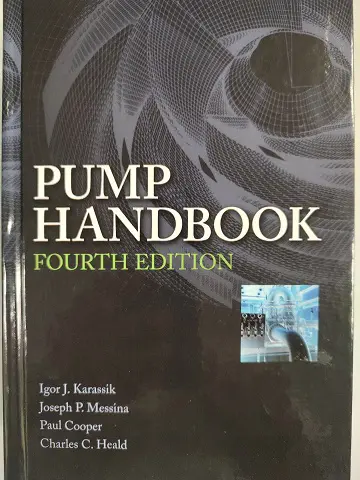
The Pump Handbook is widely regarded as the authoritative reference work in the field of pump design, selection, installation, operation, maintenance and troubleshooting. This 4th edition represents a major update, bringing together over 100 internationally recognized pump specialists, and is extensively illustrated (with roughly 1,150 detailed figures) to support practical use across industries. The book adopts SI units throughout, underscoring its global applicability. It introduces new or fully revised content on emerging and advanced topics such as centrifugal pump mechanical performance, flow analysis, bearings, adjustable‑speed drives, and applications to cryogenic LNG services; classic areas like pump theory, mechanical seals, intakes and suction piping, gears, and water hammer are also comprehensively updated. In essence, the Pump Handbook serves both as an in‑depth educational text for engineers and technicians and as a ready‑reference manual for the field. It provides the background theory, calculation methods, design guidelines, equipment data and application examples required to handle all stages of a pump’s lifecycle—from specification and purchase, through installation and startup, to optimization and troubleshooting across multiple industries and fluids.
Key aspects:
- State‑of‑the‑art guidance on every aspect of pump theory, design, application and technology.
- Contributions by over 100 internationally‑renowned pump experts.
- Uses SI units throughout the book, supporting global applicability.
Includes new and revised sections - A comprehensive table of contents covering a wide range of topics: classification/selection of pumps; centrifugal pumps; displacement pumps; solids pumping; pump sealing; pump bearings; jet pumps; materials of construction; pump drivers/power transmission; pump noise; pump systems; pump services; intakes & suction piping; selecting & purchasing pumps; installation, operation & maintenance; pump testing; technical data.
- Packed with over 1,150 detailed illustrations, which aid visual understanding of complex pump systems.
- Serves as both an educational text for engineers and a reference manual for practitioners—covering selection, purchase, installation, operation, maintenance, troubleshooting of all types of pumps
Highlights:
- State-of-the-art guidance on every aspect of pump theory, design, application, and technology
- Over 100 internationally renowned contributors
- SI units used throughout the book
- New sections on centrifugal pump mechanical performance, flow analysis, bearings, adjustable-speed drives, and application to cryogenic LNG services; completely revised sections on pump theory, mechanical seals, intakes and suction piping, gears, and water hammer; application to pulp and paper mills.
Key Features & Benefits

The Pump Handbook offers one of the most exhaustive and authoritative treatments of pump technology available today. It provides in-depth coverage of pump theory, design, performance, application, operation, and maintenance across all major pump types. The handbook spans from fundamental fluid mechanics and pump classification to advanced topics such as cryogenic pumping, adjustable-speed drives, and system optimization. It addresses mechanical aspects like seals, bearings, and vibration, as well as hydraulic design, energy efficiency, noise control, and material selection. Whether for centrifugal, displacement, jet, or solids-handling pumps, the handbook outlines principles of operation, selection criteria, installation guidelines, troubleshooting methods, and system integration. The inclusion of over 1,150 diagrams and data tables supports both practical field work and engineering analysis. It is structured to serve the needs of engineers, designers, contractors, operators, and maintenance professionals across a wide range of industries—from HVAC and water treatment to oil & gas, power generation, and chemical processing.
- Pump Fundamentals:
- Covers principles of fluid dynamics, head, pressure, flow, and energy loss.
- Pump Classification & Selection:
- Details how to choose the right pump for different fluids, pressures, and applications.
- Pump Types Covered:
- Centrifugal pumps
- Positive displacement pumps (reciprocating, rotary)
- Jet pumps
- Slurry/solids-handling pumps
- Mechanical Design Aspects:
- Bearings and seals
- Pump casings and impellers
- Materials of construction
- Noise and vibration control
- Advanced Topics:
- Adjustable-speed drives
- Cryogenic (LNG) services
- Pump/system matching and optimization
- Installation & Maintenance:
- Foundation design
- Alignment and piping
- Startup procedures
- Inspection and troubleshooting
- Pump System Integration:
- Intakes and suction piping
- Power transmission and drivers
- Monitoring and performance testing
- Supporting Tools:
- Over 1,150 illustrations and technical tables
- Comprehensive reference data in appendices
The Pump Handbook serves as a practical, hands-on reference for engineers, technicians, maintenance personnel, and designers involved in all stages of pump lifecycle management—from selection and installation to troubleshooting and performance optimization. It’s not just a theoretical text; the handbook is deeply rooted in real-world scenarios and applications. Whether determining the right type of pump for a specific fluid and head requirement, diagnosing cavitation, or balancing energy efficiency with throughput, users will find guidance that can be directly applied in the field. The book includes formulas, charts, case examples, and system design considerations that reflect actual industrial and commercial conditions. It’s particularly valuable during pump specification and procurement, system layout planning, and during maintenance reviews to avoid downtime or failure. Its structured layout makes it easy to use as a go-to manual on job sites, in design offices, or during training sessions.
- Pump Selection:
- Provides criteria and step-by-step guidance for choosing pumps based on fluid properties, head, flow rate, and system demands.
- System Design & Layout:
- Helps engineers design suction piping, pump intakes, and full pumping systems to ensure optimal performance.
- Installation & Commissioning:
- Offers procedures and tips for proper foundation, alignment, piping support, and startup sequences.
- Maintenance & Troubleshooting:
- Guides users through identifying and fixing issues such as vibration, noise, seal leakage, and performance drop-off.
- Performance Optimization:
- Covers efficiency analysis, energy audits, and variable speed drive integration to improve system economics.
- Field Calculations:
- Includes working formulas and charts for head, power, NPSH, system curves, and pump curves used in everyday applications.
- Training Resource:
- Ideal for on-the-job training of new engineers or maintenance teams through real-world examples and best practices.
- Multi-Industry Use:
- Applicable in HVAC, water treatment, oil & gas, chemical processing, food production, and power generation.
The Pump Handbook is an invaluable study resource for professionals preparing for licensing and certification exams in mechanical engineering, plumbing, process engineering, and related technical fields. Its comprehensive and technically accurate content aligns with the core topics frequently tested in state contractor licensing exams, PE (Professional Engineer) mechanical exams, and industrial maintenance technician certifications. The handbook covers essential areas such as pump selection, system design, hydraulics, NPSH (Net Positive Suction Head), cavitation, seals, bearings, and maintenance—all of which are common subjects in exam syllabi. Because it includes formulas, performance data, diagrams, and real-world examples, it enables candidates to bridge theory and application, helping them better understand not just what the correct answer is—but why. Whether used as a primary reference or a supplementary tool, the Pump Handbook gives examinees the depth and confidence needed to handle both conceptual and calculation-based questions.
- Aligned with Exam Content:
- Covers key exam topics like pump types, hydraulics, system head, efficiency, NPSH, and cavitation.
- Real-World Relevance:
- Provides practical context that helps answer scenario-based and application-driven questions.
- Technical Rigor:
- Written and reviewed by over 100 industry experts—trusted source for accurate, exam-relevant material.
- Equations & Calculations:
- Includes essential formulas and calculation examples often needed in open-book or problem-solving sections.
- Terminology & Concepts:
- Reinforces correct technical vocabulary, units (SI), and standards used in licensing environments.
- Visual Aids for Learning:
- Offers charts, diagrams, and pump curves that are especially helpful for visual learners and exam review.
- Multi-Discipline Use:
- Supports candidates in HVAC, mechanical engineering, water/wastewater, oil & gas, and facility maintenance fields.
The Pump Handbook is designed for both comprehensive learning and quick field reference, thanks to its thoughtful visual and organizational structure. It includes over 1,150 detailed illustrations, such as diagrams, cross-sectional views, performance curves, flow charts, and schematics that help explain complex mechanical and hydraulic concepts visually. These graphics complement the technical text, enabling readers to better understand pump behavior, component function, and system interactions. The handbook’s content is also highly structured: chapters are arranged logically from fundamentals to advanced applications, with consistent formatting that includes headings, subheadings, numbered sections, and summary tables. Additionally, the handbook offers appendices filled with conversion tables, design references, and technical data that make it easy to apply information in the field. Whether for in-depth study or quick lookup, the layout makes navigating large volumes of information efficient and user-friendly.
- Extensive Visuals:
- Over 1,150 diagrams, charts, pump curves, and illustrations for clear visual understanding
- Performance Curves & Charts:
-
- Real pump curves and graphs help users evaluate flow rates, head, efficiency, and system behavior
-
- Logical Structure:
- Chapters progress from pump basics to advanced applications and troubleshooting
- Numbered Sections:
- Clearly labeled sections make cross-referencing and quick lookups easier
- Tables & Data Sheets:
- Includes sizing charts, materials comparison tables, NPSH values, and dimensional standards
- Appendices:
- Packed with conversion tables, formulas, technical specs, and reference data
- Quick Navigation:
- Ideal for both studying and field reference thanks to consistent layout and visual organization
- Cross-Referencing Tools:
- Indexed thoroughly and includes cross-references between chapters for related content
Book Details
- Publisher: McGraw‑Hill Professional
- Edition/Release Date: 4th Edition, November 27, 2007
- ISBN: 9780071460446
- Pages: 1,632 pages
- Dimensions: 6.3 x 9.4 inches
- Format: Paperback / Softbound
- Target Audience: Professional
Pricing & Purchase Information
• Price: $146.99
• Shipping: Free shipping on orders over $250.
• Formats Available: Physical Book
Related Products
-

Texas Water Well Drillers and Pump Installers Continuing Education (4 Hours)
$54.99Add to cartTexas Well Drillers/Pump Installers are required to complete 4 hours of continuing education each year. Our online course is approved by the State of Texas Department of Licensing and Regulation and includes topics that cover: Business Management and TDLR Laws and Rules. @HomePrep is a National Leader in online education. With over 100,000 satisfied students and a course catalog of over 1,000 classes, we are here to help you – Invest in Yourself.