


South Carolina Fuel Gas Code 2021 Edition
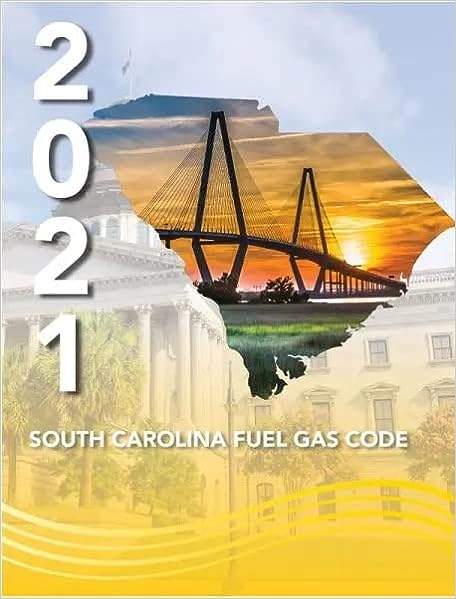
South Carolina Fuel Gas Code 2021 Edition

Book Overview
The 2021 South Carolina Fuel Gas Code (SCFGC) sets minimum safety standards for the design and installation of fuel gas piping systems, fuel-burning appliances, and related components in all occupancies. It aims to protect life, health, and property from hazards arising from the use of fuel gases such as natural gas, propane (LP-Gas), and manufactured gas.
Key Aspects:
- Scope and Administration: Establishes the framework for the design, installation, and maintenance of fuel gas systems and related appliances, ensuring safety and compliance with state regulations.
- Gas Piping Installations: Provides detailed requirements for the installation of gas piping systems, including materials, sizing, and protection against hazards.
- General Regulations: Outlines general provisions applicable to fuel gas systems, including safety measures, appliance installation, and venting requirements.
- Modifications for South Carolina: Incorporates state-specific amendments to address local conditions and safety considerations.
Highlights:
- Adopts the 2021 International Fuel Gas Code (IFGC)
- Incorporates South Carolina‑specific modifications
Key Features & Benefits

The 2021 South Carolina Fuel Gas Code offers comprehensive guidance on the safe design, installation, and inspection of natural and LP gas systems. Based on the 2021 International Fuel Gas Code, it includes South Carolina–specific amendments and covers gas piping, appliance installation, combustion air, venting, pressure regulation, and safety devices. The code also outlines testing and inspection requirements and became mandatory statewide on January 1, 2023, ensuring consistent safety and compliance across all fuel gas systems in the state.
Scope & Enforcement
- Adoption & Effective Date
The 2021 South Carolina Fuel Gas Code, integrating the 2021 IFGC with state-specific amendments, was officially adopted by the South Carolina Building Codes Council on October 6, 2021. It became mandatory across all South Carolina jurisdictions on January 1, 2023.
- The Code is enforced statewide and remains the minimum standard for design, permitting, and installation of fuel gas systems.
Key Technical Highlights
Although specific amendments require access to the official modification index, the code’s core structure mirrors the IFGC and includes:
- Fuel Piping & Sizing
Standard installation requirements, materials, and sizing tables for safe gas system performance.
- Appliance Installation & Combustion Air
Guidance on safe placement, combustion air provisions, and ventilation to support gas appliances.
- Safety Devices & Equipment
Mandated inclusion of shutoff valves, sediment traps, and pressure regulators to reduce risks.
- Venting & Clearances
Specifications for vents, chimneys, and minimum clearances from combustible materials and other structures.
- Testing & Inspection Protocols
Required pressure testing and inspection procedures to verify code compliance and guarantee safety.
Regulatory Landscape & Code Structure
- Legal Incorporation
Per the South Carolina Code of Regulations § 8‑1000, the state code is identical to the 2021 IFGC except where amendments (as listed by the Building Codes Council) alter or add requirements.
For example, local jurisdictions like West Columbia have formally referenced the 2021 IFGC with state modifications in their ordinances.
Gas Dispensing Specifics
The Code regulates fuel dispensing by requiring:
- A 25‑foot separation from combustible‑walled buildings,
- At least 10 feet from public streets or certain structures,
- 5 feet from driveways, with specified exceptions for canopies or dedicated driveways.
The practical application of the 2021 South Carolina Fuel Gas Code ensures that all gas systems in residential, commercial, and industrial buildings are installed safely and inspected properly. Contractors, plumbers, and inspectors use the code to guide the sizing and installation of gas piping, proper venting of appliances, provision of combustion air, and placement of safety devices like shutoff valves and pressure regulators. It also sets standards for testing and inspections before systems are approved for use. Enforced statewide since January 1, 2023, the code promotes uniform safety and code compliance across all jurisdictions in South Carolina. Here’s how it works in practice:
- Installing Gas Piping in New Homes or Buildings: Real-life example: A plumber runs gas lines to a furnace, water heater, and stove in a new home, using the code’s tables to ensure the pipe diameter can handle the total gas load.
- Installing and Venting Gas Appliances: Real-life example: An HVAC technician installs a gas furnace in an attic and uses the code to determine how much space is needed for combustion air and how to vent through the roof safely.
- Renovations or Equipment Replacements: Real-life example: A contractor replacing an old gas water heater uses the code to ensure the flue pipe is the correct size and slope to safely vent combustion gases.
- Inspections by Building Officials: Real-life example: A city inspector visits a jobsite to approve a gas line rough-in before drywall is installed, referencing the code to confirm everything is up to standard.
- Legal and Safety Compliance: Real-life example: An insurance company investigates a gas leak and refers to the SC Fuel Gas Code to assess whether the installer followed correct procedures.
Preparing for a licensing exam that involves the 2021 South Carolina Fuel Gas Code (or related trade codes) requires a focused strategy that blends code familiarity, test-taking practice, and understanding of South Carolina-specific amendments. Here’s a complete guide to help you get ready:
- Tab your codebook: mark chapters like pipe sizing, combustion air, and appliance venting.
- Highlight exceptions and footnotes—they are often tested!
- Practice locating information quickly—especially tables and formulas.
- Understand common field setups: e.g., what size pipe is needed for a 120k BTU furnace 60 feet away?
- SC amendments override national code—know where they differ.
To effectively study and apply the 2021 South Carolina Fuel Gas Code, especially for licensing exams or field inspections, using visual and organizational tools is essential. These tools help you navigate the code faster, retain technical details, and apply rules correctly in real-world scenarios.
- Pipe Sizing Diagrams & Charts
- Illustrated Field Guides
- Study Binders & Worksheets
- Highlighting & Color Coding
Book Details
- Publisher: International Code Council
- Edition/Release Date: 2021, (January 1, 2023)
- ISBN: 978-1958581766
- Pages: 200
- Dimensions: 8.5 x 11 inches
- Format: Paperback
- Target Audience: Professionals
Pricing & Purchase Information
• Price: $117.99
• Shipping: Free shipping on orders over $250.
• Formats Available: Physical Book
Related Products
-

South Carolina HVAC (Residential) Online Exam Prep Complete Package
$1,692.90Add to cartSouth Carolina HVAC Exam Prep (Residential) topics include Insulation, Hangers and Supports, Sound, Vibration & Seismic Control, Heating and Cooling Principles, Refrigerants, Load Calculations, Testing, Adjusting and, Balancing, Controls, A/C and Heat Pump Equipment, Furnaces and Heaters, Chimneys, Flues and Vents, Combustion Air, Ducts, Ventilation and Exhausts, Safety, Fuel Gas, LP Gas, Fuel Oil, Piping and more. Additionally, the South Carolina HVAC Exam Prep (Residential) includes narrated highlighting guides, practice tests, theory, calculations, instructor support and test-taking tips and strategies. The highlighting guides and quizzes are designed to familiarize students with testing materials. We do not provide students with exact test questions, as the state does not release this information.
-

2021 South Carolina Fuel Gas Code Tabs
$14.99Add to cartPre-Printed Permanent Tabs – During your exam, time is of the essence. By having your pages tabbed, you can greatly increase your speed in referencing key exam topics.
These tabs are pre-printed and permanent.
-
South Carolina Heating Contractor – Books Only Package
$1,670.88Add to cartAs of this time we do not offer any courses for this exam. We do offer all the required books for this exam here in one complete package. Individual books can be found in our bookstore. Please be sure to check back in the future for possible course material, as we are always adding to our course catalog.


Student Reviews
There are no contributions yet.